
Coal cash and the Atlantic cold blob

The UK is being asked to stick with its EV rules to prevent a jump in carbon emissions by 2030.
UK urged not to further weaken EV rules as CO2 impact revealed
British vehicles will emit extra 17m tonnes of CO2 by 2030 due to loophole allowing sale of more PHEVs, data suggests
 Jasper Jolly
Large areas of Colorado wilderness are opening up for oil and gas drilling, affecting key wildlife migration routes.
Federal agency to open tens of thousands of acres of Colorado wilderness to oil drilling
Wildlife habitat, endangered animals and recreation could all be at risk in state’s biggest public land sale in modern history.
 Jennifer Oldham, Capital and Main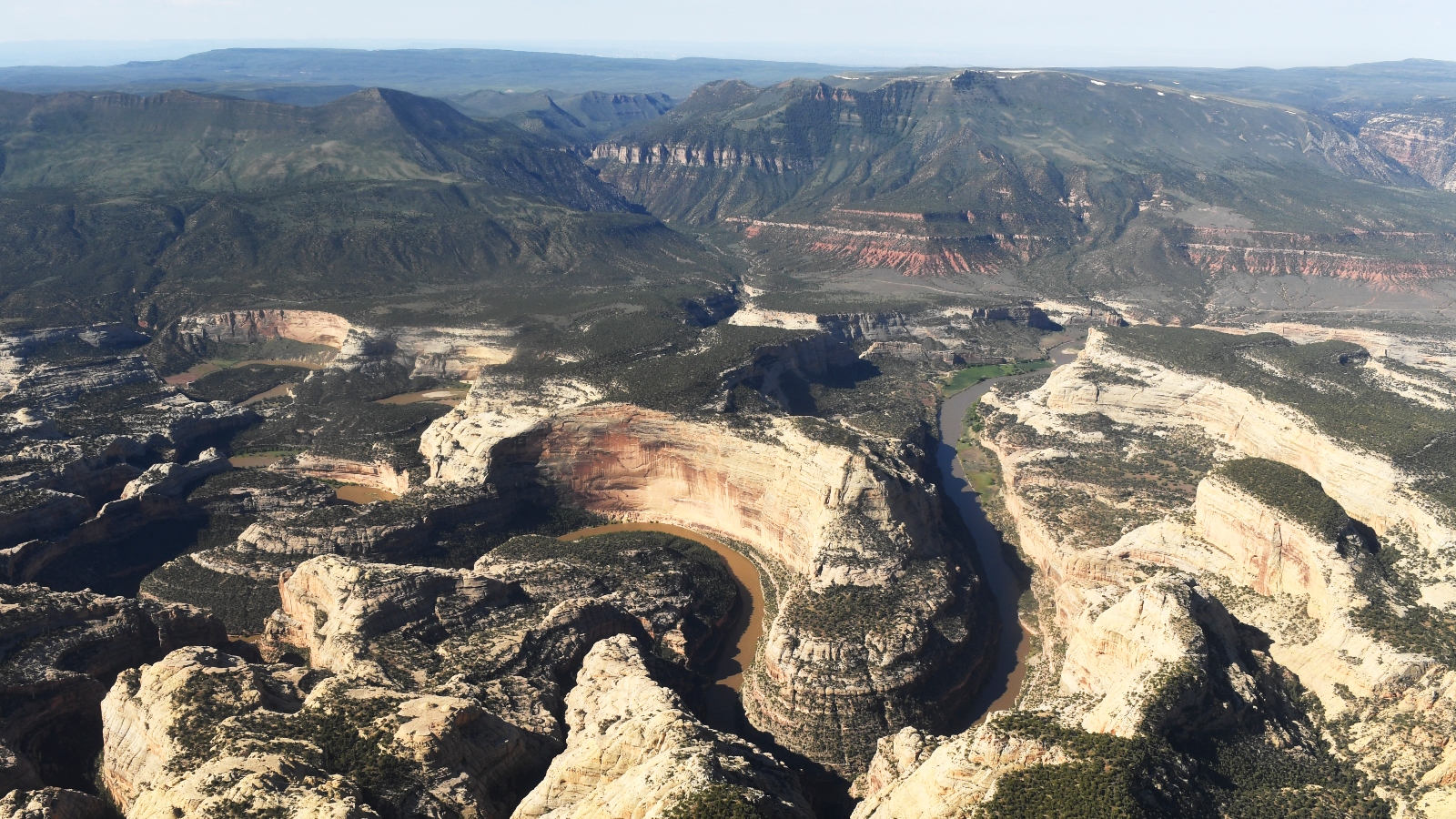

Canada will lease ten aircraft for the 2026 wildfire season to support provinces as they develop a broader firefighting strategy.
Canada’s aerial wildfire‑fighting plan is a start—but it is not yet a strategy
The Canadian government recently announced that it will lease a fleet of 10 firefighting aircraft and other support assets to be deployed for the 2026 wildfire season. The plan will see these 10 leased aircraft being managed by the Canadian Interagency Forest Fire Center deployed strategically across the country and made available to provinces as they face intense wildfires.
 John Gradek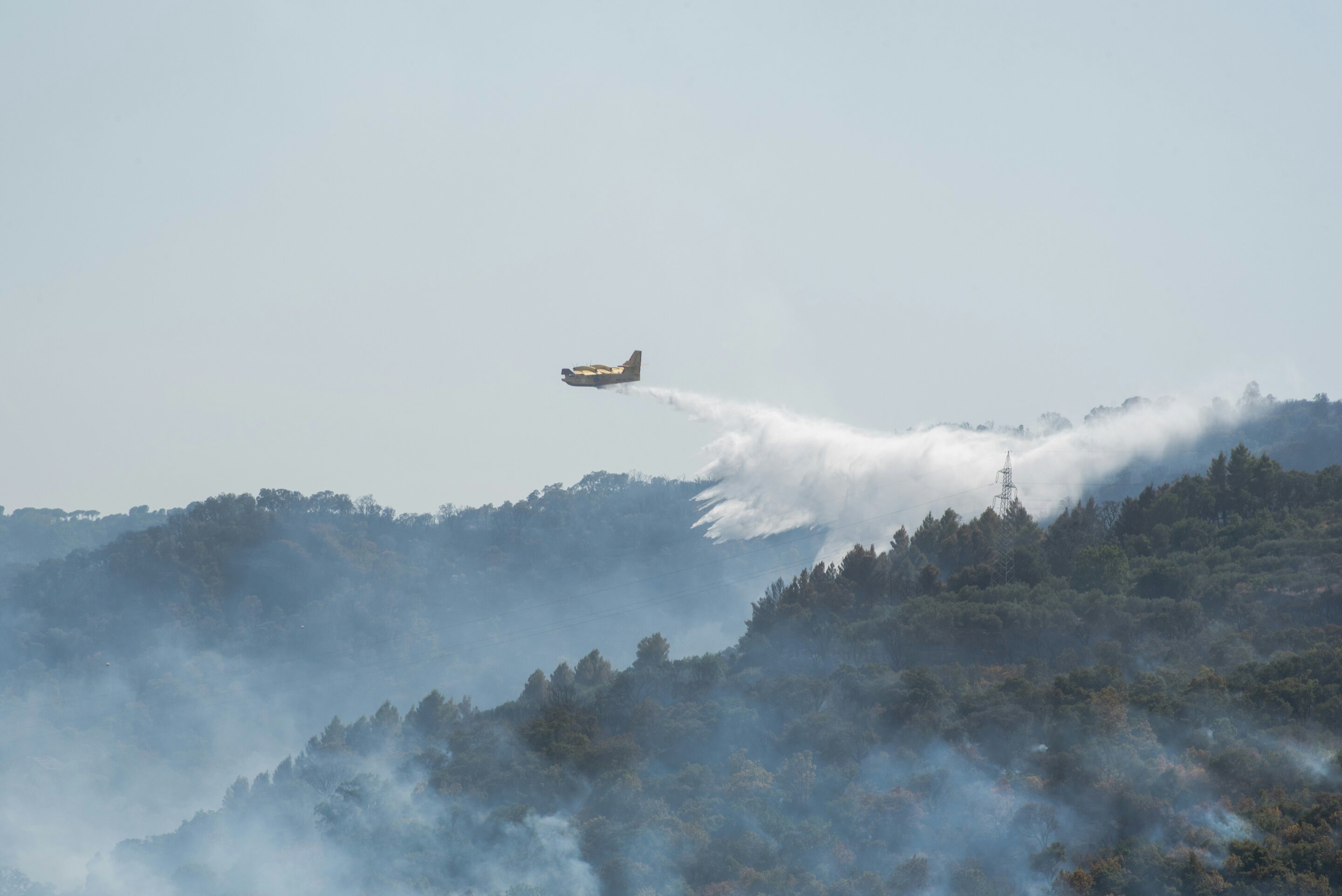
Trump is using wartime powers to put $700 million into coal plants, aiming to lower energy costs for people across the US.
Trump uses wartime powers to dole out $700 million to ‘clean, beautiful’ coal
The president announced plans for two new coal plants in Alaska and West Virginia, using the Defense Production Act.
Dharna Noor and Oliver Milman, The Guardian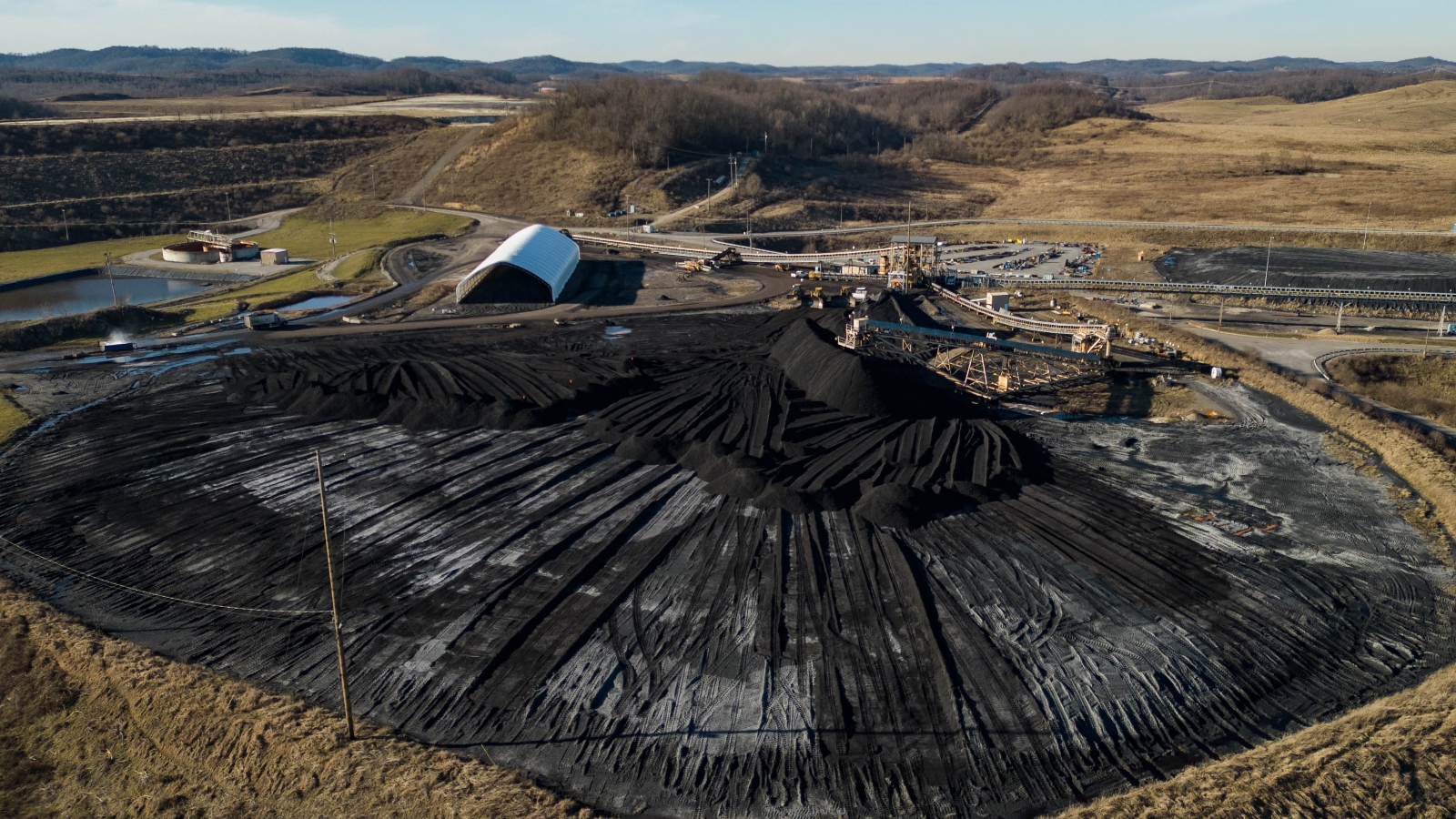
That cold patch in the Atlantic is likely due to ocean currents slowing down, according to new findings.
Atlantic ‘cold blob’ caused by weakening ocean current system that’s likely nearing a tipping point, reanalysis finds
A part of the Atlantic Ocean, just south of Greenland and Iceland, has been cooling off while the rest of the world gets hotter. This enigmatic patch is often referred to as the “cold blob” and scientists have been trying to figure out the mechanisms behind its cooling. While some studies have blamed increased heat loss at the sea surface, others suggest weaker currents are bringing less heat to the area. Now, a new study, published in Geophysical Research Letters, provides additional support for the latter—now using reanalysis data based on direct weather observations instead of just modeling.
Krystal Kasal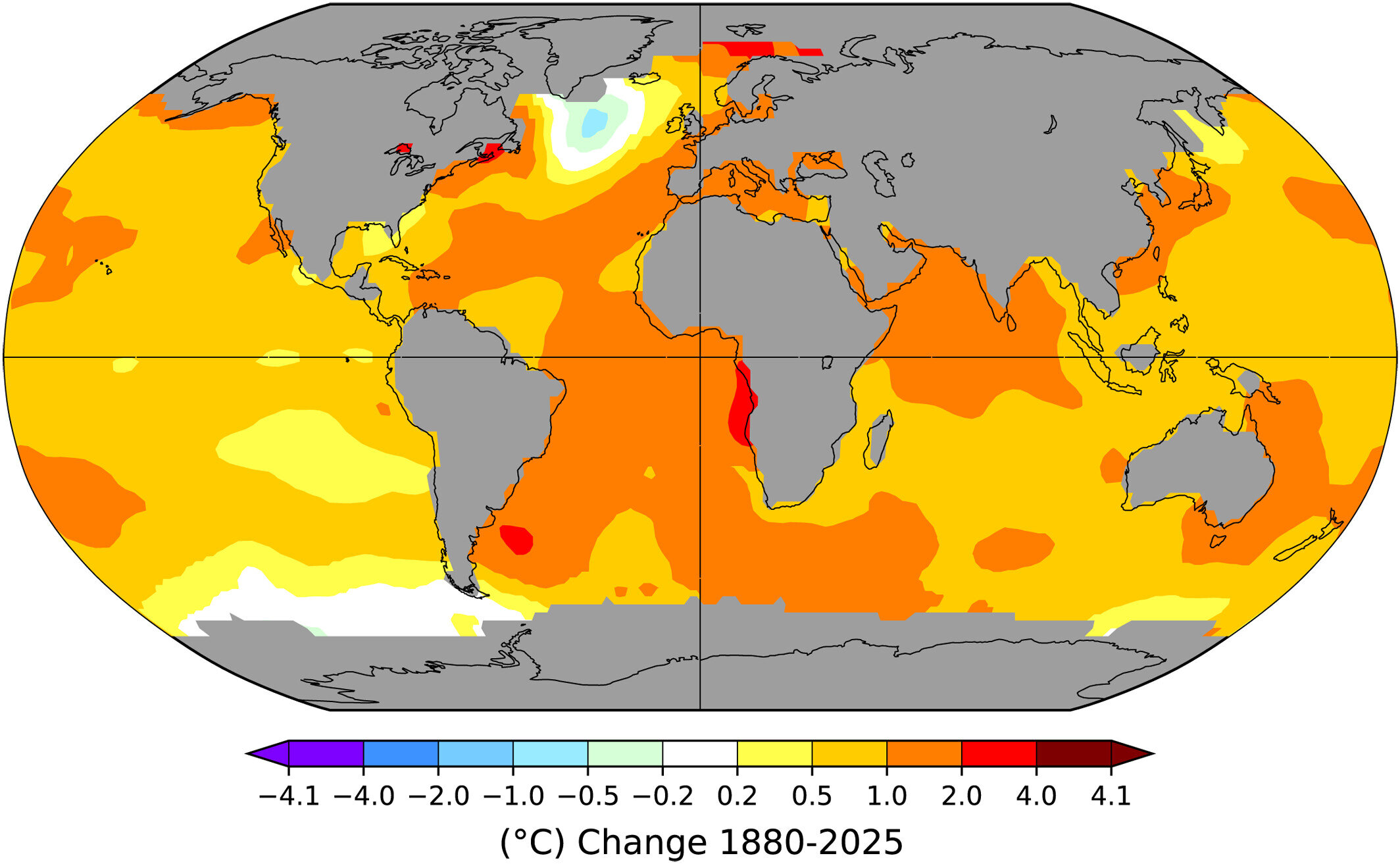
Reach out on Bluesky anytime. You make this matter 🌲
With love, The Wild
🌲
Please volunteer at or support one of The Wild's favorite organizations making a difference: American Rivers